
WILDFLOWER BLOG
These written gems have been channelled from as far as the galactic star nebula birthing dusts to the close to home eco- systems.
Organic blog written pieces, that inspires the creative imagination from soul seed to insight.
And hopefully, in turn, will inspire the Temple Lah reader.
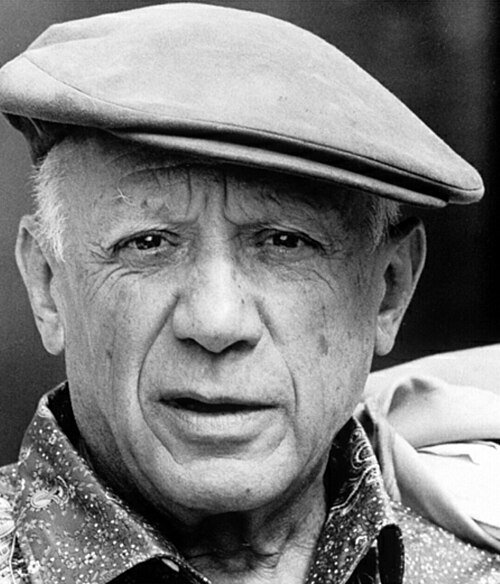
Picasso: Shatter the Image, Rewrite the World
Picasso left behind an expansive body of work spanning multiple creative disciplines, inspiring generations to come. A pioneering force in Cubism, Picasso challenged the conventions of painting, inviting us to explore, innovate and question the status quo, finding new meaning in what has been shattered through art. This is a journey through his early years as an eager young boy with a passion for drawing, exploring how the events of his world shaped his artistic evolution, culminating in Guernica, his monumental anti-war painting. Picasso remains one of the most influential artists of the 20th century, remembered for his artistic audacity, relentless experimentation and groundbreaking innovations that transformed modern art as we know it.

Ruth Asawa: Intricate By Nature
Ruth Asawa found possibility in the ordinary, in nature, wire, repetition, light and space. Her journey reminds us that creativity doesn't always follow a straight path. Sometimes, the most transformative work begins with an unexpected redirection.

Criticising Your Creativity: This Is My Best Work Yet… Or Is It?
Maybe our role as artists isn't to predict which works deserve a life, but simply to give them the chance to find one.
After all, we're creating for an audience we haven't met yet, and perhaps even for a future version of ourselves.

Piet Mondrian: capturing universal equilibrium through opposing forces.
By stripping away the details, Piet Mondrian believed a beauty in harmony was revealed that could move not only the artist deeply but the viewer also. A revealing of universal truths through extreme simplicity, geometry and balance.

Basquiat: Turn It Up, Let It Flow
Basquiat drew from a vast range of influences—art, music, culture, and neo-spirituality. His drive is a defining trait, one that deserves both recognition and inspiration. There’s an unwavering focus to his work, a sense of purpose rooted in the Black community, and a rare ability to stay in flow with the moment. Where life meets art, and art paints life.

Kandinsky: Composer of Light
Kandinsky emphasized contrast and harmony as tools for creating rhythm and movement, much like in musical composition. He saw colors as relational forces, where the interaction of color, shape, and negative space produces the “music” of the painting.