Criticising Your Creativity: This Is My Best Work Yet… Or Is It?
Every artist has likely uttered these words at some point. Equally, every artist understands the inner torment that accompanies critiquing their own work. It is healthy to engage with our taste of the moment, to select what feels relevant, aligned with who we are today, and worthy of sharing. After all, curation is part of the creative process.
You've just finished a body of work or that final piece and you're deeply moved. This one feels different, aligned. Other pieces are discarded, left unfinished or quietly stored away while the latest creation enjoys its moment in the spotlight.
This instinct extends beyond the studio. It influences how we present ourselves online, carefully curating social media feeds, removing older works and refining our portfolios to make room for a stronger, more stylised identity. We become the editors of our own story.
There is nothing wrong with this. In fact, refining our work and presenting a cohesive body of practice is often necessary. But I do wonder whether our selection process sometimes becomes too narrow.
Perhaps there is value in occasionally leaving space for the odd one out, the work that doesn't quite fit, the one we're unsure about, or the piece that somehow refuses to leave us alone. Sometimes those are the very works that resonate most deeply with others.
THE CREATIVE SEER
About ten years ago, I came across a painting on Instagram by an artist I followed, The Creative Seer. It portrayed a mature Caribbean man smoking a cigar, adorned with beautifully coloured beads. Something about the painting stayed with me.
A few weeks later I returned to the artist's page to admire it again, only to discover it had disappeared. The artist had removed it.
Life moved on and then fast forward to ten years later.....
The artist announced they were selling some of their works, and instantly I remembered the Caribbean portrait. I had never forgotten it. It had quietly lingered in the deep corners of my memory archive for an entire decade.
I reached out to the artist, who embarked on what became a 72-hour search through years of archived files. After sorting through potential artworks, and further conversations describing the painting, the mysterious Caribbean gentleman was finally found.
Relief, I'll take it and another one! The timing was now right.
A piece to be remembered. Sometimes what lingers is an artwork still searching for a home, quietly waiting to spark unexpected conversations within everyday home spaces.
Leesa
What I love about this work is its simplicity, the thoughtful use of shape, colour, and the generous space that allows the subject to breathe.
The artist was genuinely surprised that this forgotten work had remained with someone for so long. Hidden away in the archives, it had quietly lived its own life in another person's imagination. Eventually, it found its home, mine.
That experience reminded me that art doesn't belong entirely to its creator once it leaves the studio. What speaks profoundly to one person may mean very little to another. Likewise, work that feels insignificant today may simply not have found its audience yet.
History is full of examples of artists misjudging the significance of their own creations.
VAN GOGH
Vincent van Gogh sold almost nothing during his lifetime and was often deeply dissatisfied with his work. Financial hardship meant he frequently painted over older canvases because he couldn't afford new ones. In fact, it was his younger brother, an art dealer who financially supported Vincent's living expenses and art supplies for his entire career. After Theo passed his wife, Johanna van Gogh-Bonger, now widowed, dedicated the rest of her life promoting Van Gogh's work and securing his post-humorous fame. Some works he regarded as studies or failed experiments are now celebrated as masterpieces.
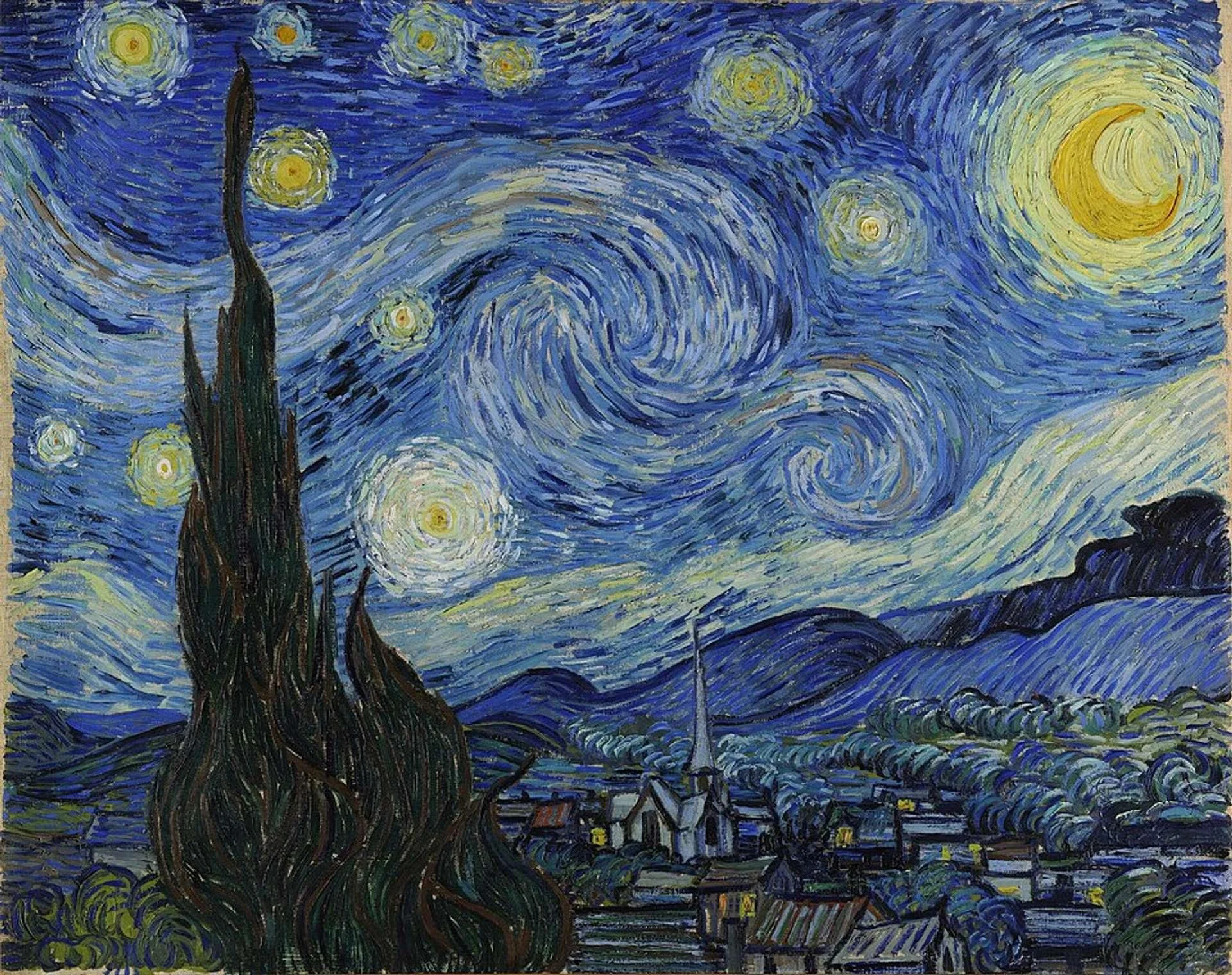
A letter from Van Gogh to Theo,
"One must spoil as many canvases as one succeeds with."
Vincent van Gogh (1853–1890), The Starry Night, 1889. Public domain. Image via Wikimedia Commons.
The value of his paintings wasn't waiting to be discovered by him, it was waiting to be discovered by others and realised through a supportive family.
BUCKLEY AND FRASER
Music offers similar stories of what may be rejected can blossom in time.
One of my favourite examples is the duet between Jeff Buckley and Elizabeth Fraser of Cocteau Twins, All Flowers in Time Bend Towards the Sun (1994–95). The song remained unreleased because Frazer reportedly didn't believe it was worthy of release. Even today, it isn't available on Spotify and survives through a leaked demo that continues to circulate online. Elizabeth Fraser has mentioned of the recording as unfinished, commenting, "Maybe, I won't always think that."
Despite its unfinished nature, the recording has become deeply cherished by devoted listeners who recognise the honesty, vulnerability and intimacy captured in that imperfect moment. Its very incompleteness may be part of what makes it so moving and heartfelt.
DRAKE
Another musician whose legacy speaks to this idea is Nick Drake.
During his short life, Drake released just three extraordinary albums: Five Leaves Left, Bryter Layter and Pink Moon. Despite their brilliance, they sold fewer than 4,000 copies combined during his lifetime. Battling depression, Drake died at just twenty-six from an overdose of antidepressants, never witnessing the profound influence his music would later have.
Today he is regarded as one of the finest songwriters of his generation. His audience simply arrived decades later.
Listen to River Man to experience the brilliant poetic songwriting, guitar and composition style Drake brought to his music.
MINGUS
Another powerful example can be found in Charles Mingus.
Mingus was known for his uncompromising approach to composition and his constant dissatisfaction with how his work was received or performed. He frequently reworked pieces, abandoned recordings, or dismissed performances that he felt didn’t capture his intent. Charles Mingus obsession with extended-form composition culminated in Epitaph, a monumental two-hour, 500-page score that remained unperformed and effectively unfinished during his lifetime, only to be premiered more than a decade after his death and later recognised as one of his most ambitious achievements.
Other work such as The Black Saint and the Sinner Lady are regarded as landmark achievements in jazz composition. Mingus’ legacy reinforces the idea that what feels unresolved, difficult, or even “failed” in the moment can later be understood as visionary.
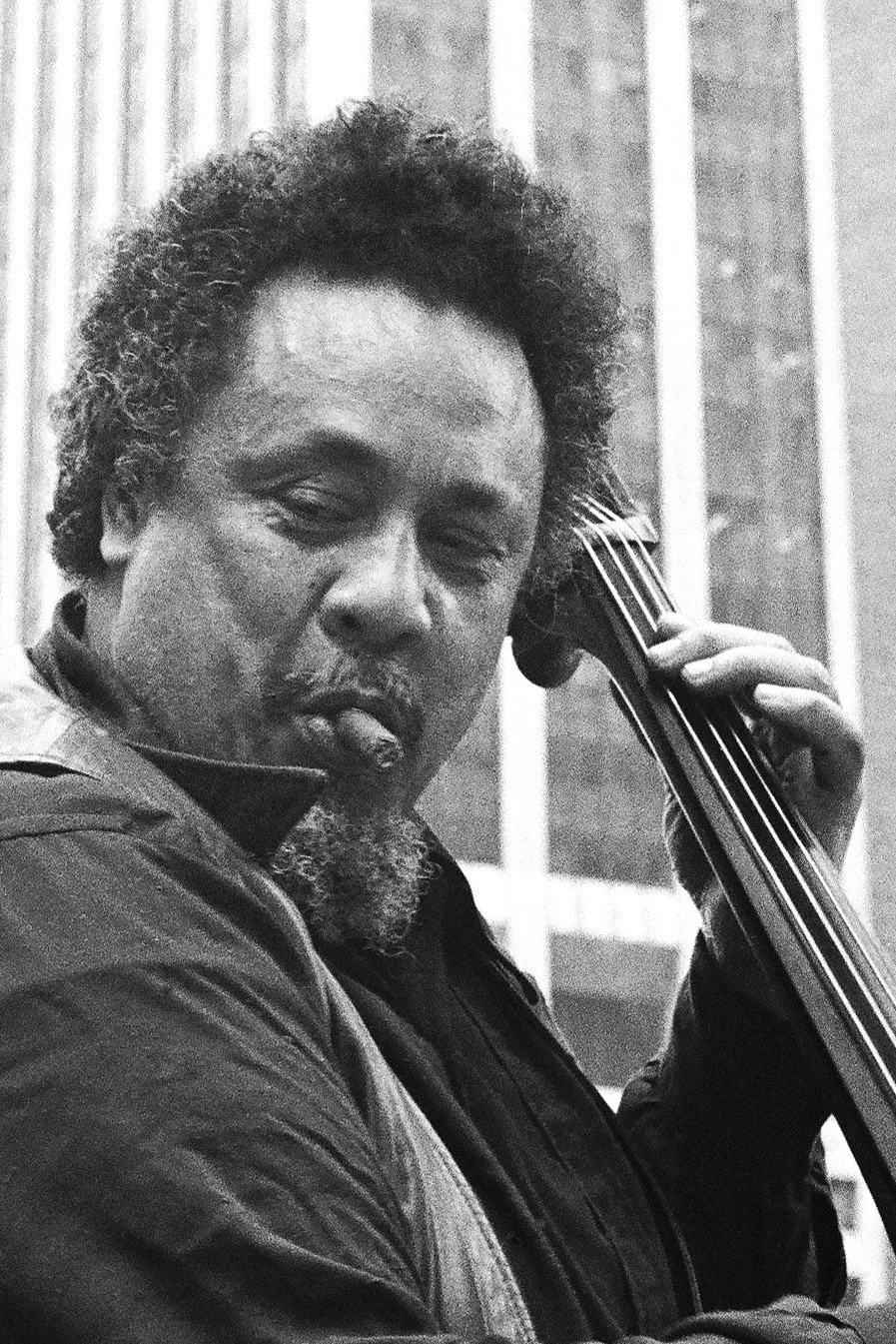
“Making the simple complicated is commonplace; making the complicated simple, awesomely simple, that’s creativity.” Charles Mingus
Charles Mingus (1976), photograph by Tom Marcello (derivative work by Emdee). Licensed under Creative Commons Attribution–ShareAlike 2.0 Generic (CC BY-SA 2.0). Via Wikimedia Commons.
These stories raise an interesting question.
Why do we choose certain works to give life in the spotlight while others remain hidden?
Why do some pieces unexpectedly find an audience while others disappear into obscurity?
Perhaps the timing simply isn't right. Perhaps the world isn't yet ready for the message, the mood or the emotion contained within the work. Or perhaps we, as artists, aren't always the most reliable judges of what deserves to be seen. Maybe our role isn't simply to curate what feels most aligned with our current identity, but occasionally to leave room for the unexpected, to allow the overlooked, the uncertain and the imperfect to exist alongside our favourites.
Perhaps the real challenge isn't deciding what our best work is, but accepting that we may never know.
We create from where we stand today, filtered through our current taste, experiences and ambitions. Yet the people who encounter our work bring their own memories, emotions and timing. A painting tucked away in an archive for ten years may become someone's most treasured piece. An unreleased demo can find thousands of devoted listeners decades later. A forgotten score can later be viewed as an ambitious masterpiece.
Maybe our role as artists isn't to predict which works deserve a life, but simply to give them the chance to find one.
After all, we're creating for an audience we haven't met yet, and perhaps even for a future version of ourselves.
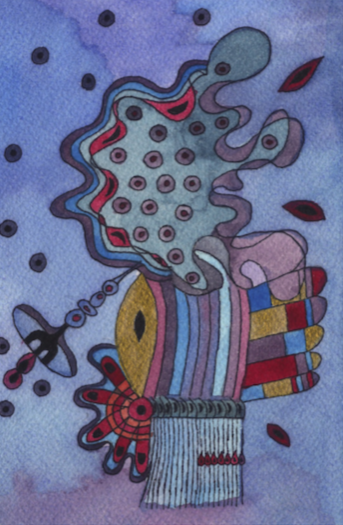
If you are feeling like taming the barriers often created by your inner critic, sign up to our Free Intuitive Art as Medicine eCourse.
Create space to experiment, connect deeply and align with your inner muse.