The Vagus Nerve, our internal tree.
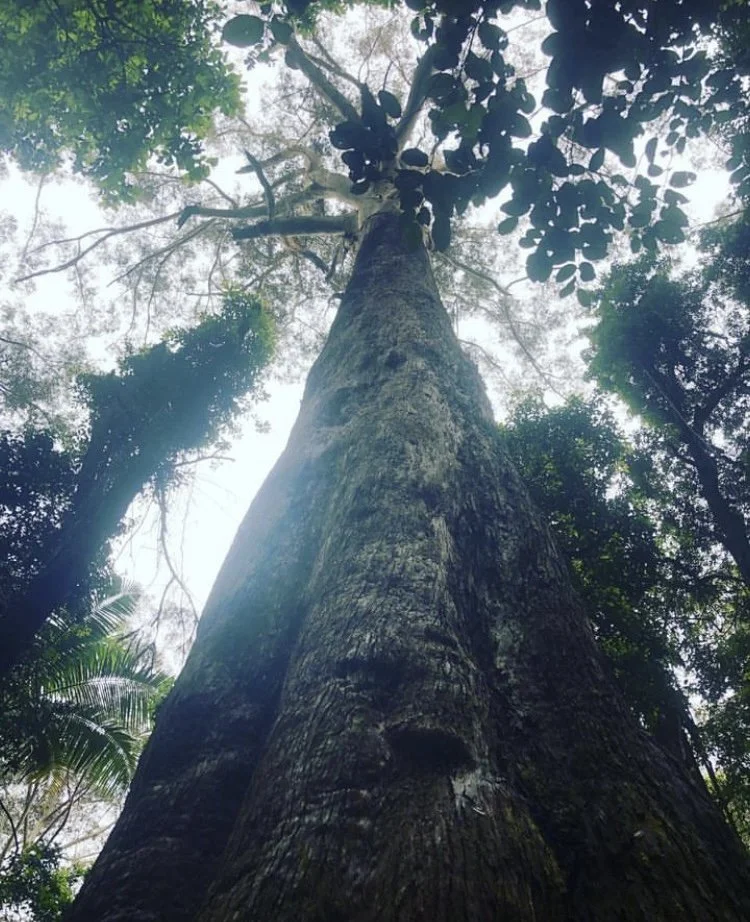
The Vagus Nerve
“I like the idea that we have something like a secret piano key, under our skin, to press internally to calm us down. Or like a musical string to pluck. At this point I was envisioning the vagus nerve as a single inner cord, stretching from the head to the stomach. In reality, the vagus nerve is a squiggly, shaggy branching nerve connecting most of the major organs between the brain and colon, like a system of roots or cables. It is the longest nerve in the body.
Edith Zimmerman
If you didn’t already know, we as humans do in fact house an inner tree. A vibrant nerve system that can be played much like a piano to tone our internal wellbeing barometer. This inner chord of wandering (Latin word, vagus; meaning wandering) nerves connects our organs between the head and colon and is the longest cranial nerve in our physical body.
In yoga, the key to meditation is the breath as an anchor for stillness. The Vagus Nerve is the internal nerve network that lights up on the out breath and signals the brain and heart for the rest and digest response - Parasympathetic Nervous System. In fact, as written by Edith Zimmermann in this article here, I now suspect the Vagus Nerve is the key to well-being, she states, “when we breathe slowly, the heart slows, and we relax. Conversely, when we breathe quickly, our heart speeds up, and we feel amped, or anxious.”
“The Vagus Nerve is the queen of the Parasympathetic Nervous System”
So when we imply in yoga to focus on the breath in meditation, or suggest slow down mindful activities (Yantra, Mantra practice, colouring in, nature walks), we are essentially saying, “How is your Vagus Nerve listening, programming and toning your Body/ Heart/ Mind symphonic connection?” What tune do you tone to, chill out mode or to the frantic, chaotic dial?
A great way to manage an even playing field when it comes to daily stresses and restoration is to build a baseline of tools that can be useful on the spot and a weekly go to in downtime for creating effective wellness habits. As they say, it takes 40 days to change a habit.
That in mind, we all have on stand by a great tool for free the breath; an effective measure where we can stop in stressful situations and breathe for one minute to signal rest and calm.
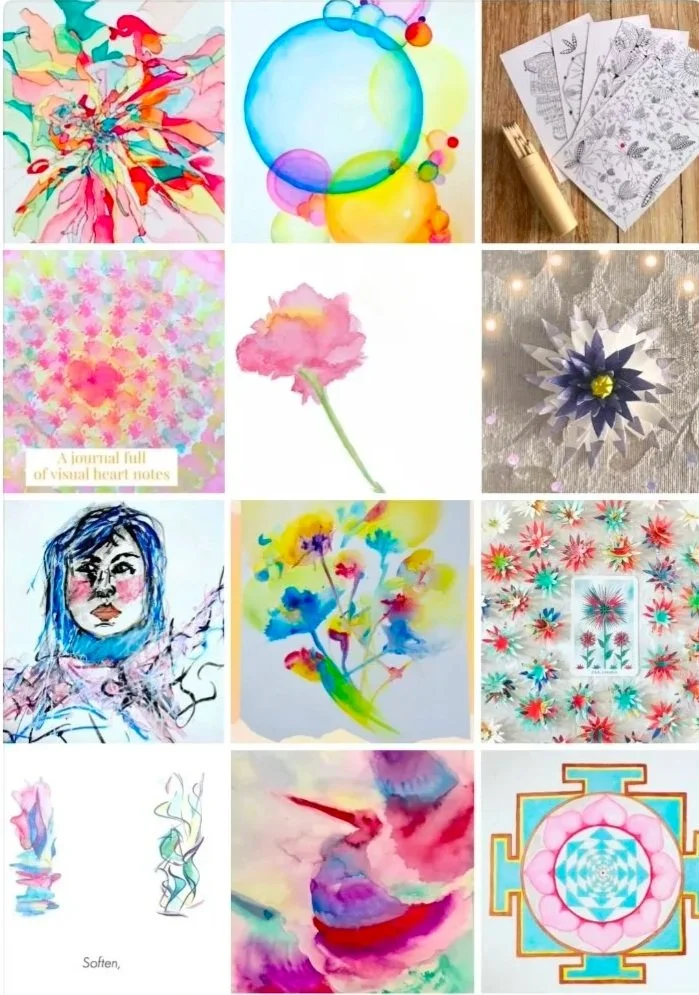
Three Breathing Techniques
1. Sama Vritti Pranayama, this breathing technique is also known as Box Breath, breathing in for four counts, hold for four, exhale for four and hold for four. You can try this for one minute and release for recalibration where ever you are. Or, simplify further by breathing in for four and out for four.
2. 4/6 Breathing, you can try in a comfortable seated position to breathe in for four and then extend the exhale for six counts. If at anytime you feel out of breath go back and resume your natural breath.
3. Bramari breath (Humming bee breath), sitting in a comfortable position on a chair, or on the floor cross legged (Sukhasana, meditation pose) breathe in and on the out breath hum internally to massage the internal organs. Breathe in and out…… hummmmmmm, just like a bee.
Start our free Intuitive Art as Medicine eCourse
Free meditations to self regulate the vagus nerve.
Free creative processes to meet your muse and heighten your intuition.
Free ‘Heart Journal’ to document your work and what inspires you.
Download our free Introductory Intuitive Art as Medicine eBook.